
Websites
Website Development Company in Hyderabad
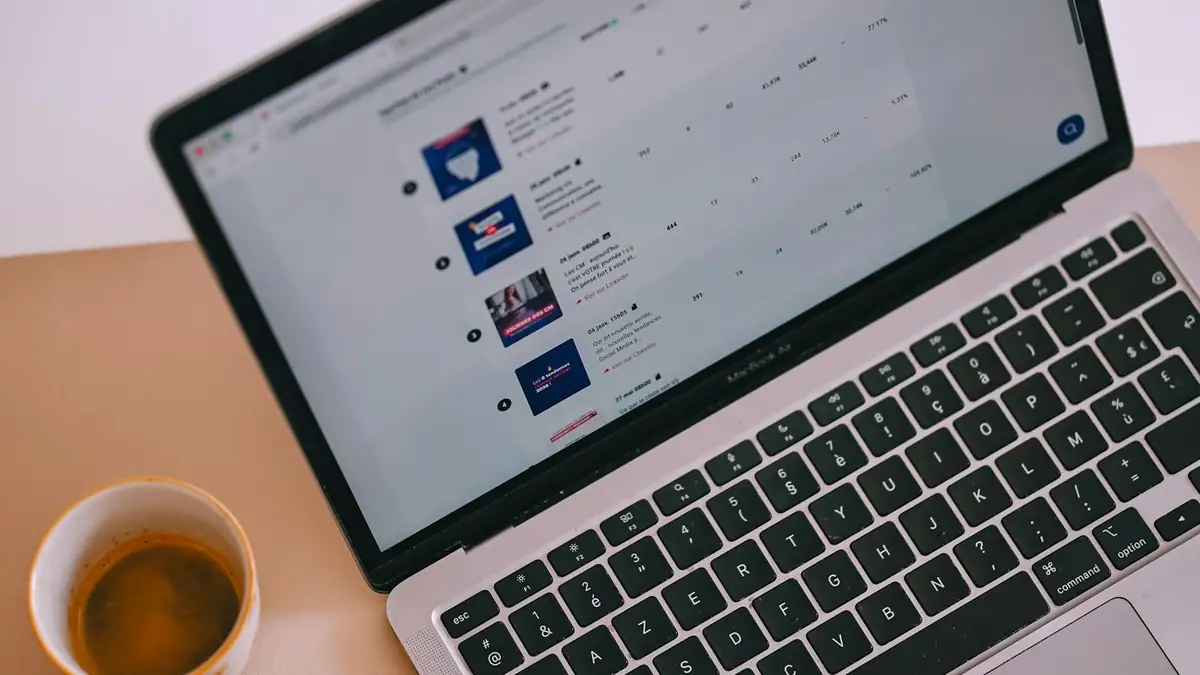
We build company websites, landing pages, blogs and redesigns for businesses in Hyderabad and across India. Each site is designed for phones first, loads quickly, is ready for search engines at launch and makes it easy for visitors to call, email or WhatsApp you.
Why work with MegaViz
Built to bring enquiries
Contact forms, WhatsApp buttons and clear calls to action on every page, with analytics that show which pages bring leads.
Fast on mobile
Phone-first layouts and lightweight pages that load quickly on mobile connections.
SEO-ready from day one
Titles, sitemap, structured data and Search Console set up before launch.
Pages agreed in writing
Pages, features and timeline agreed in a written scope before development starts.
What does a business website from MegaViz include?
A business website from us includes page design, development, mobile layouts, contact and WhatsApp enquiry forms, on-page SEO basics, an XML sitemap, analytics setup and launch on your domain. We agree the pages and features in a written scope before development, so you know exactly what is being built and what is not.
- Company websites, service pages and campaign landing pages
- CMS or blog setup so your team can publish without a developer
- Contact, quote and WhatsApp forms that deliver enquiries to your inbox
- Google Analytics 4 with enquiry tracking
Website or web application: which one do I need?
You need a website if the main goal is to explain your business and bring enquiries: pages, a blog, forms and search visibility. You need a web application if users log in, manage data or complete workflows, such as portals, dashboards or booking systems. Many businesses start with a website and add an application later.
For portals, dashboards and other logged-in systems, see our web application development service. Our blog post on websites versus web apps explains the differences in more detail.
How do you make a website load fast and work well on phones?
We design for phone screens first, then scale up to desktop. Pages are kept lightweight, images are resized and compressed into modern formats, and unnecessary scripts are left out. Before launch we test real pages with Google Lighthouse and fix what slows them down, especially on mobile connections.
- Images served at the right size for each screen
- Few third-party scripts; chat and tracking tags added only where needed
- Readable text and tap-friendly buttons without zooming
- Lab scores checked before launch; real-user Core Web Vitals followed in Search Console afterwards
You can test your current site with our free Website Speed & SEO Check.
What makes a website SEO-ready at launch?
An SEO-ready website makes every important page easy for search engines to crawl, understand and index from the first day. That means a unique title and meta description per page, a clear heading structure, an XML sitemap, a correct robots.txt, canonical URLs, structured data for your business, and Search Console connected so indexing can be monitored.
- Unique titles and meta descriptions for each page
- XML sitemap submitted in Google Search Console
- Organisation and local business structured data
- Business name, address and phone written the same way as on your Google Business Profile
Ongoing SEO, content and Google Ads are a separate service; see digital marketing and SEO.
What do I need to prepare before the website project starts?
Prepare your logo files, the list of services or products you want to show, any existing text, and good photos of your work, team or premises. You will also need access to your domain registrar and hosting. If the content is not ready yet, we agree the page structure first so you know what each page needs.
- Logo in vector or high-resolution format
- Service or product descriptions
- Photos you own the rights to use
- Domain registrar and DNS login
- Google Business Profile and Analytics access, if they already exist
How does a redesign avoid losing search rankings?
A redesign protects rankings best when existing URLs either stay the same or permanently redirect to their closest new page. Before launch we list every page that gets search traffic, keep those addresses where possible, set up 301 redirects for the rest, carry over titles and content that rank, and resubmit the sitemap after launch.
- Crawl the current site and export pages with search traffic
- Map each old URL to a new URL
- Test 301 redirects before switching DNS
- Watch Search Console for errors in the weeks after launch
Related
Services and free tools
Web Application Development
Custom web apps, portals and dashboards that run your operations.
View serviceDigital Marketing & SEO
SEO, Google Ads and social media that bring measurable enquiries.
View serviceUI/UX Design
Product design and prototypes before a line of code is written.
View serviceWebsite speed & SEO check
Google PageSpeed scores and the top issues to fix.
Guides
Read before you decide
· 7 min read
Technical SEO checklist for a new business website
A technical SEO checklist for a new business website: crawling, sitemaps, redirects, Core Web Vitals, schema, local SEO, GA4 tracking and AI search.
Read the guide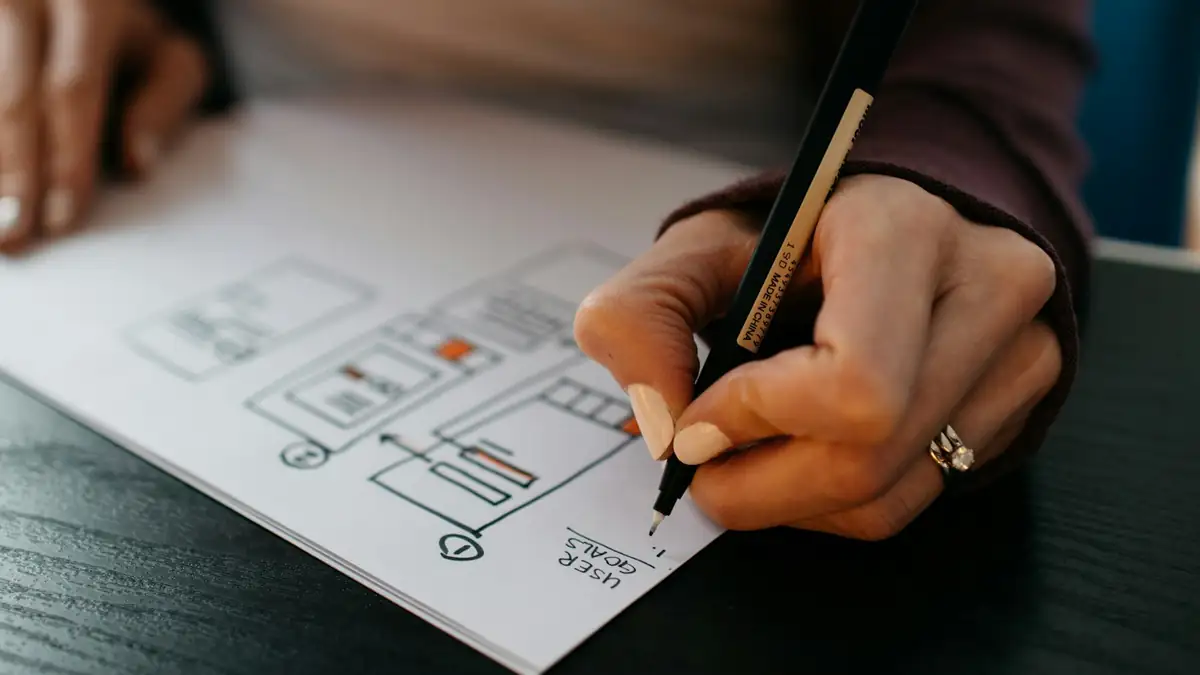
· 6 min read
What happens in UI/UX design before development starts?
What happens in UI/UX design before development: discovery, user flows, wireframes, visual design, prototypes, usability checks and developer handoff.
Read the guide· 6 min read
Website or web app: which does your business actually need?
Website or web app? The practical difference, signs you need a web app, the in-between options, and how the choice affects cost, time, hosting and upkeep.
Read the guide
FAQ
Frequently asked questions
Can I update the website content myself?
Yes, if you need to. For sites with a blog or frequently changing pages, we set up a content management system so your team can edit text, add posts and replace images without a developer. For small sites that rarely change, a simpler static build is cheaper to run and faster to load. We recommend one in the scope.
Who owns the domain, hosting and website files?
We recommend registering the domain and hosting accounts in your company's name and giving us access to do the work. Ownership of the code and design, and confidentiality, are contract terms that should be agreed in writing before work starts; have your legal adviser review them.
How long does a business website take to build?
It depends mainly on the number of pages, whether you need a blog or CMS, and how ready your content is. Missing text and photos often cause delays. We list the pages and features in the written scope and share a timeline with it, so the launch date is agreed before development starts.
What happens after the website goes live?
After launch we fix bugs found during a support period, then you can choose optional monthly maintenance for updates, backups, monitoring and small changes. If you want more traffic, ongoing SEO, Google Ads and social media marketing are available through our digital marketing service.
Tell us about your website
Share what the site is for, the pages you need and your current website address, if you have one. We will reply with questions and then a written scope.